


See my related arts project on pollen grains here.
Structures and patterns in Nature fascinate me. Biomimicry - the practice of looking to Nature's own tested designs, refined over millions of years of evolution, to solve human problems -captures exactly why. A pollen grain's architecture, a diatom's geometry, the branching of a leaf's veins: they're solutions and adaptations. Studying them closely is like reverse-engineering some of the most beautiful, and best design work that exists.
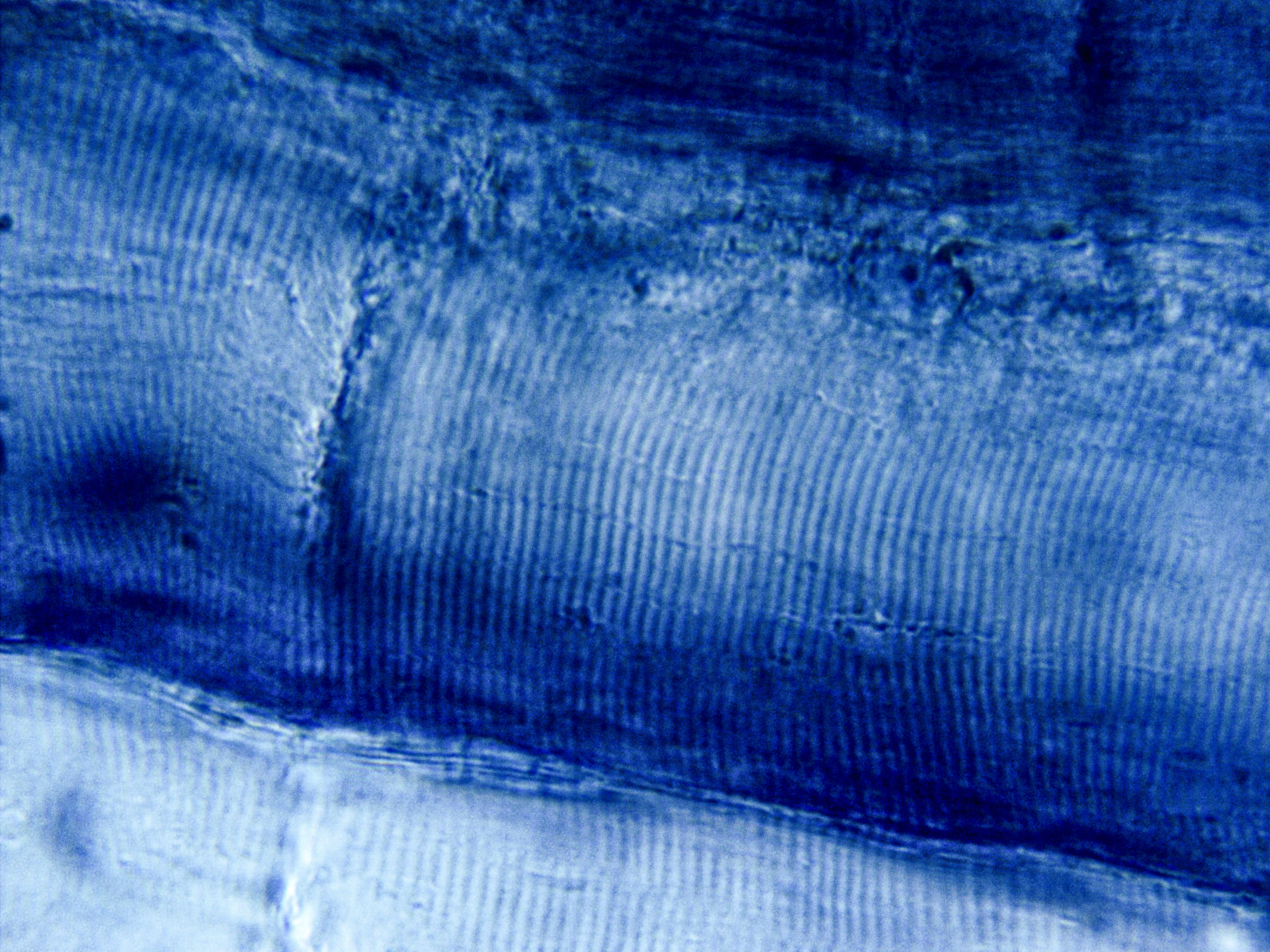
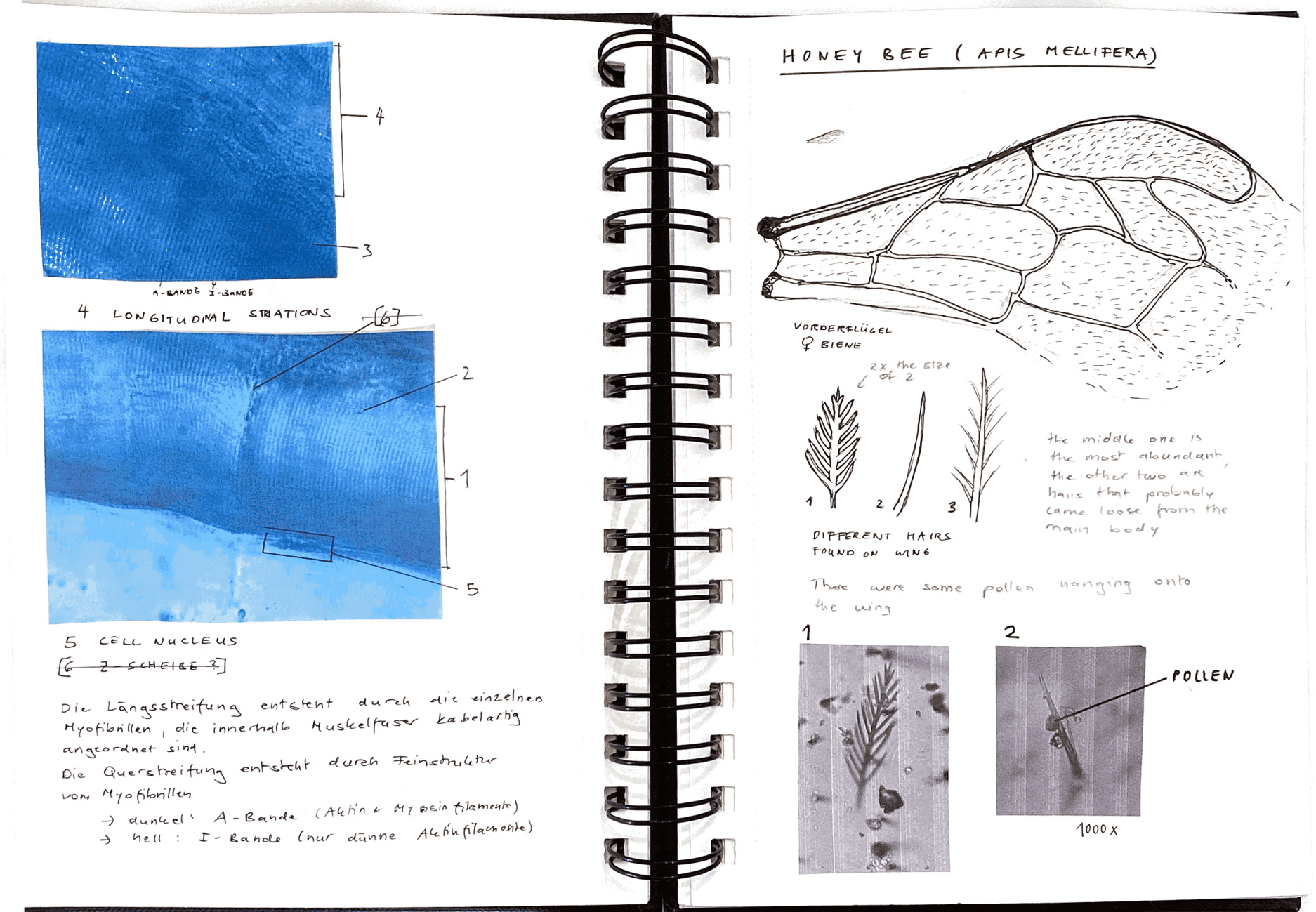
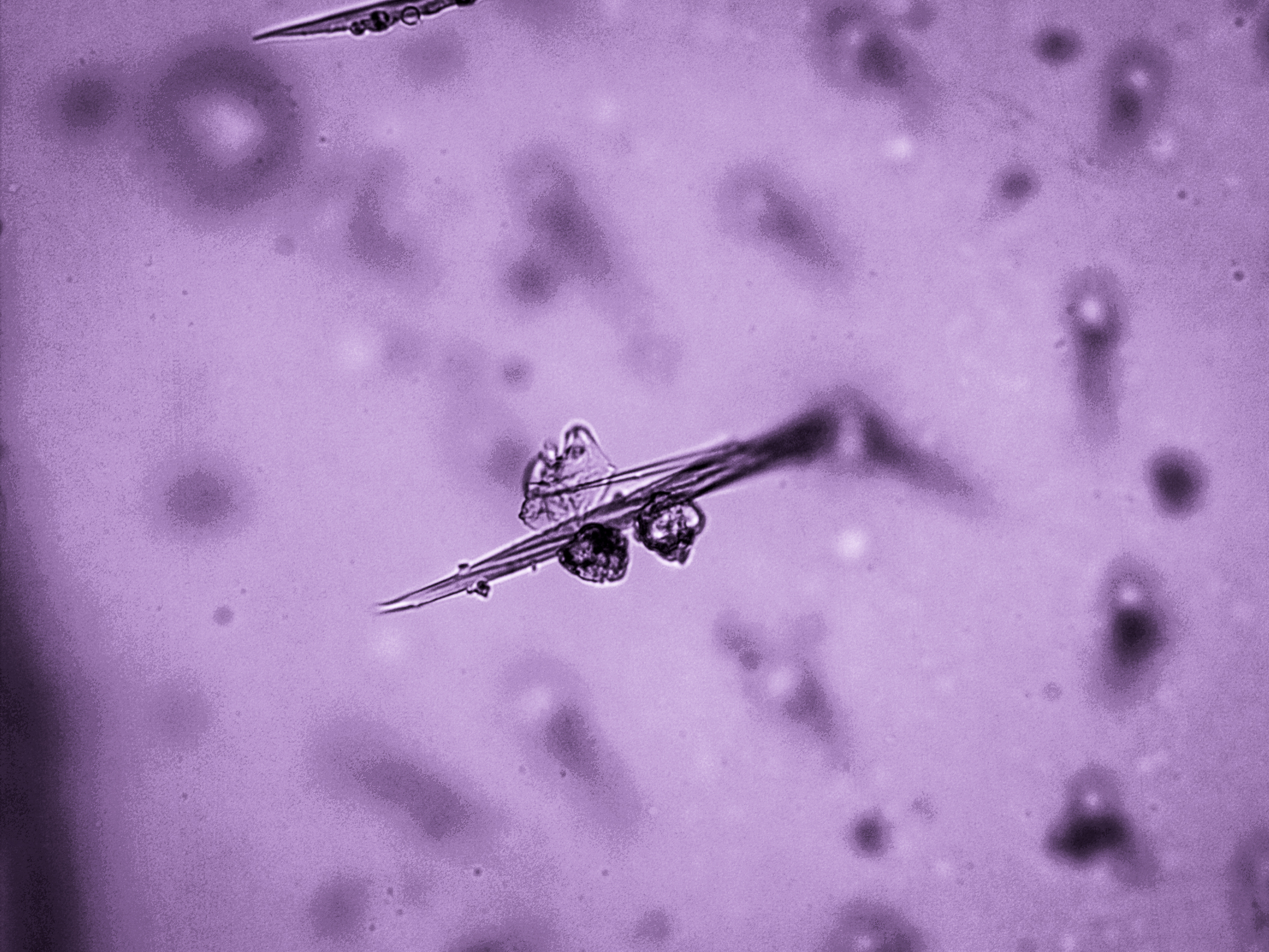
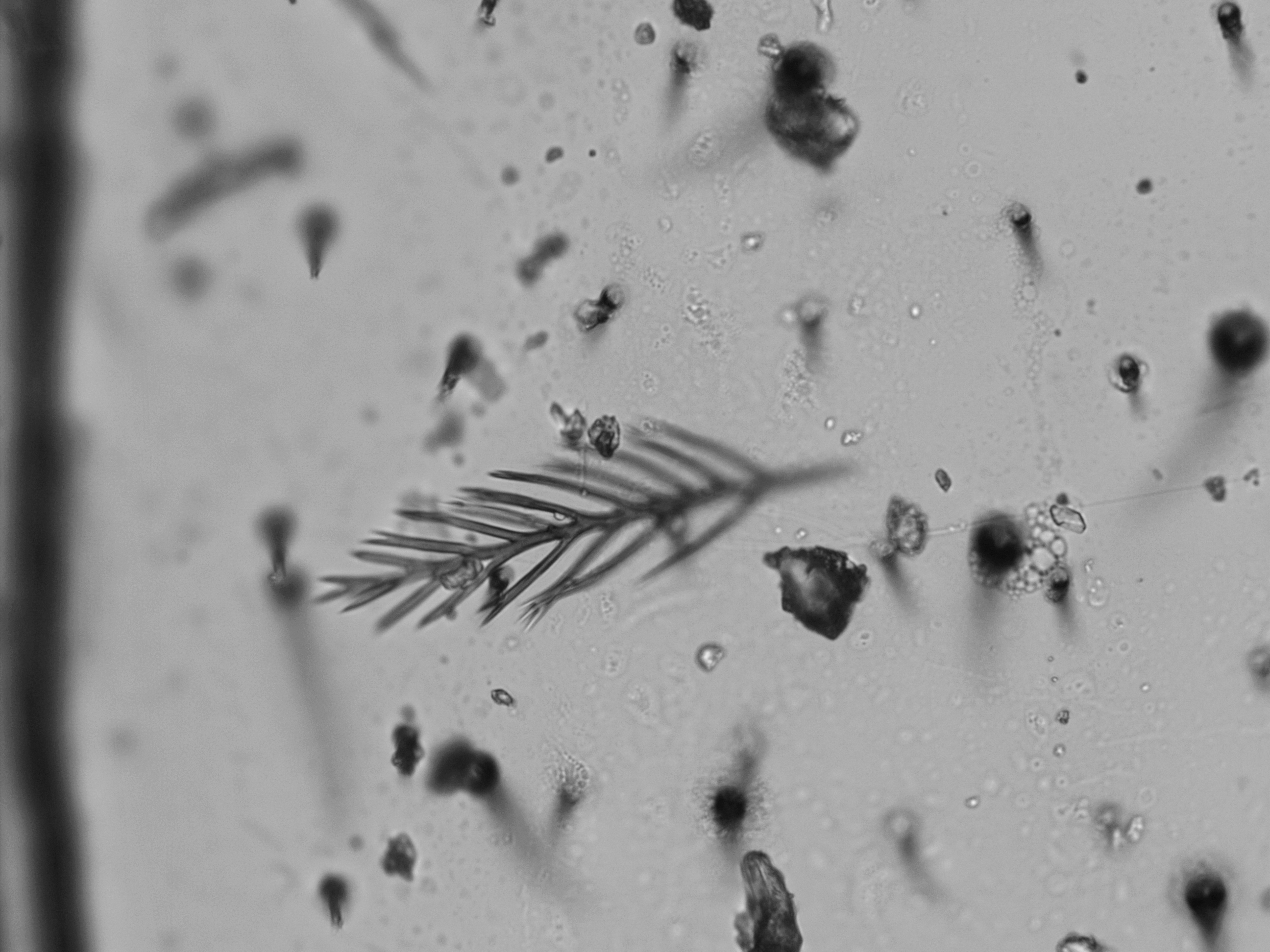
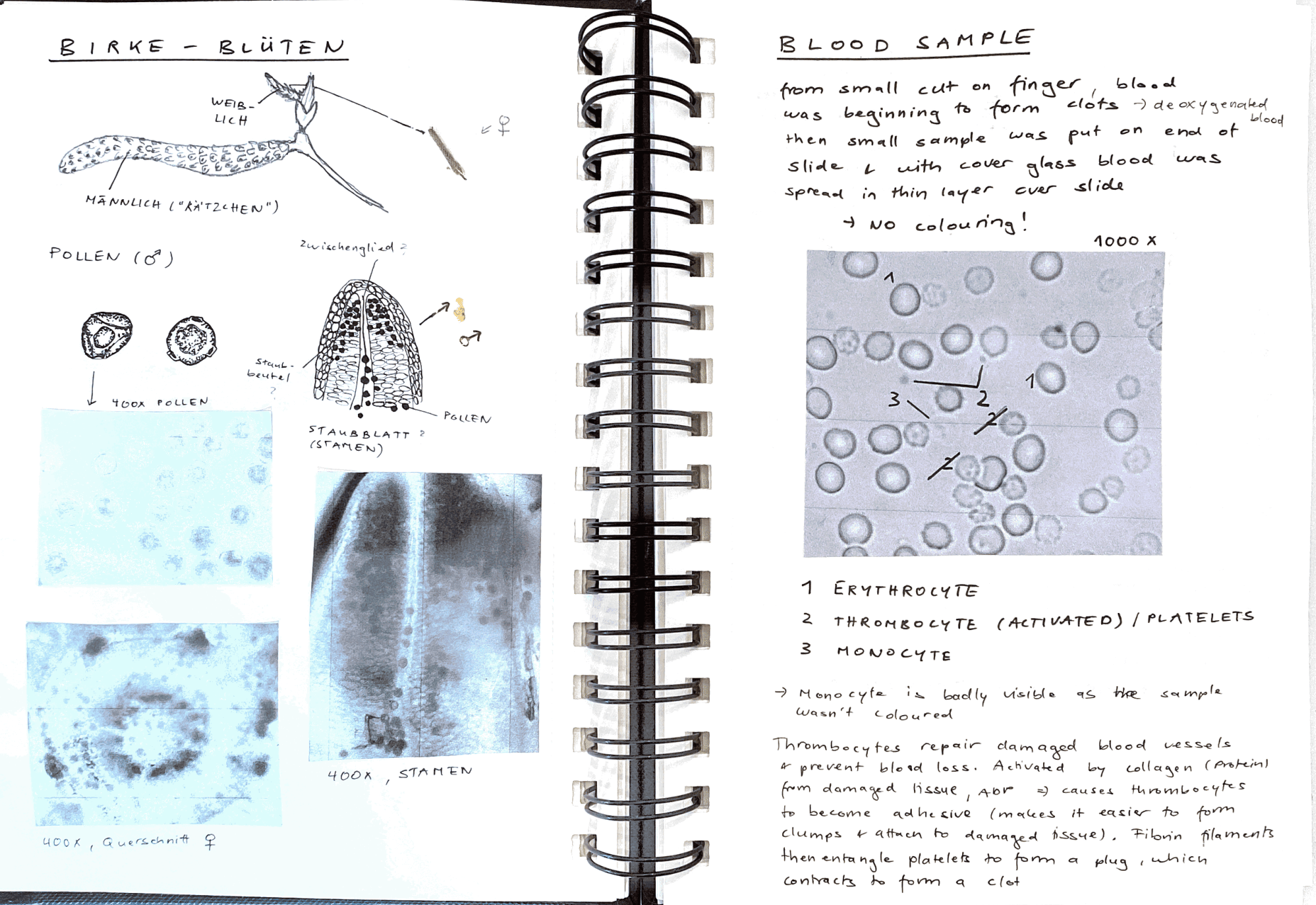
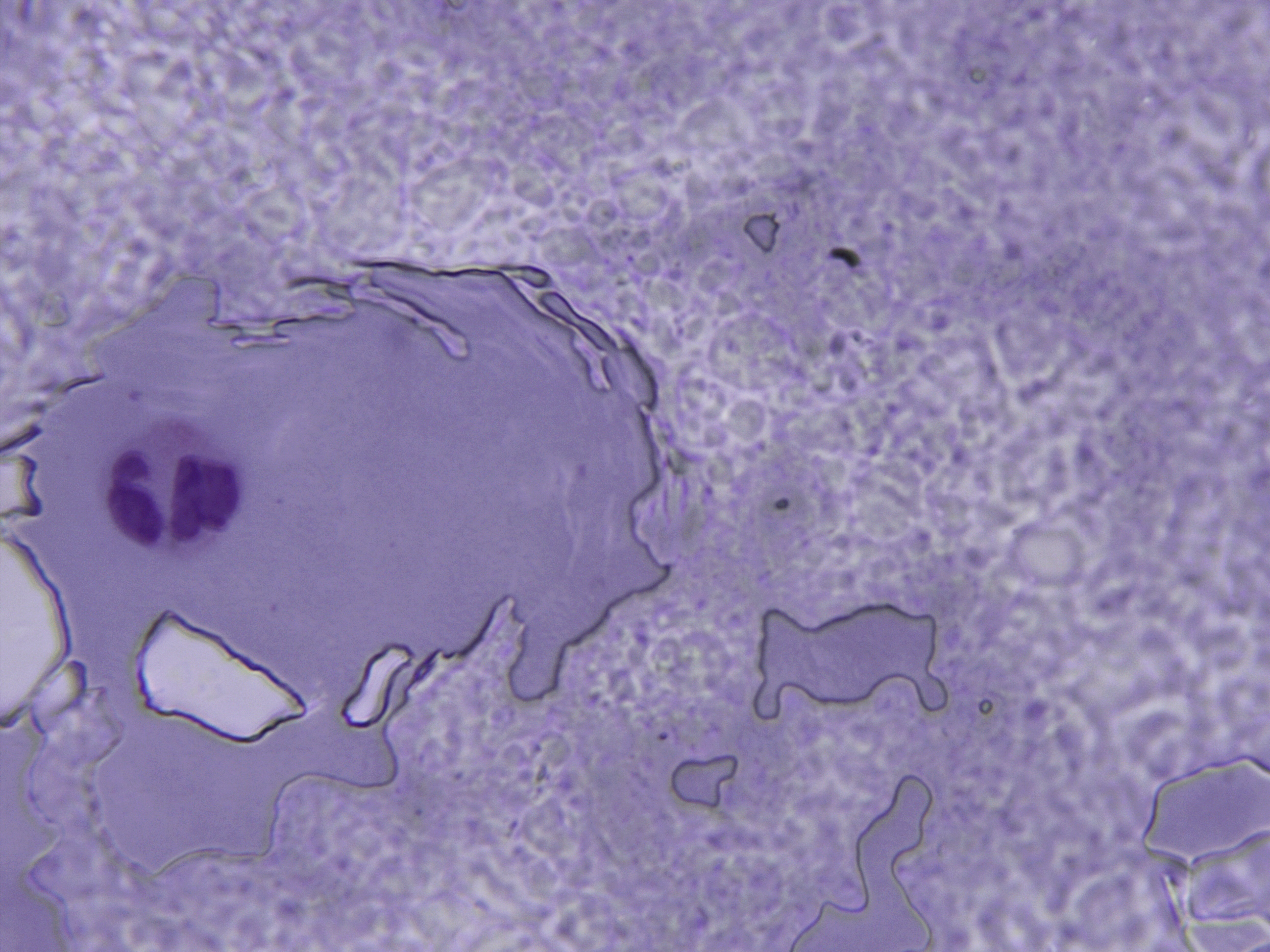
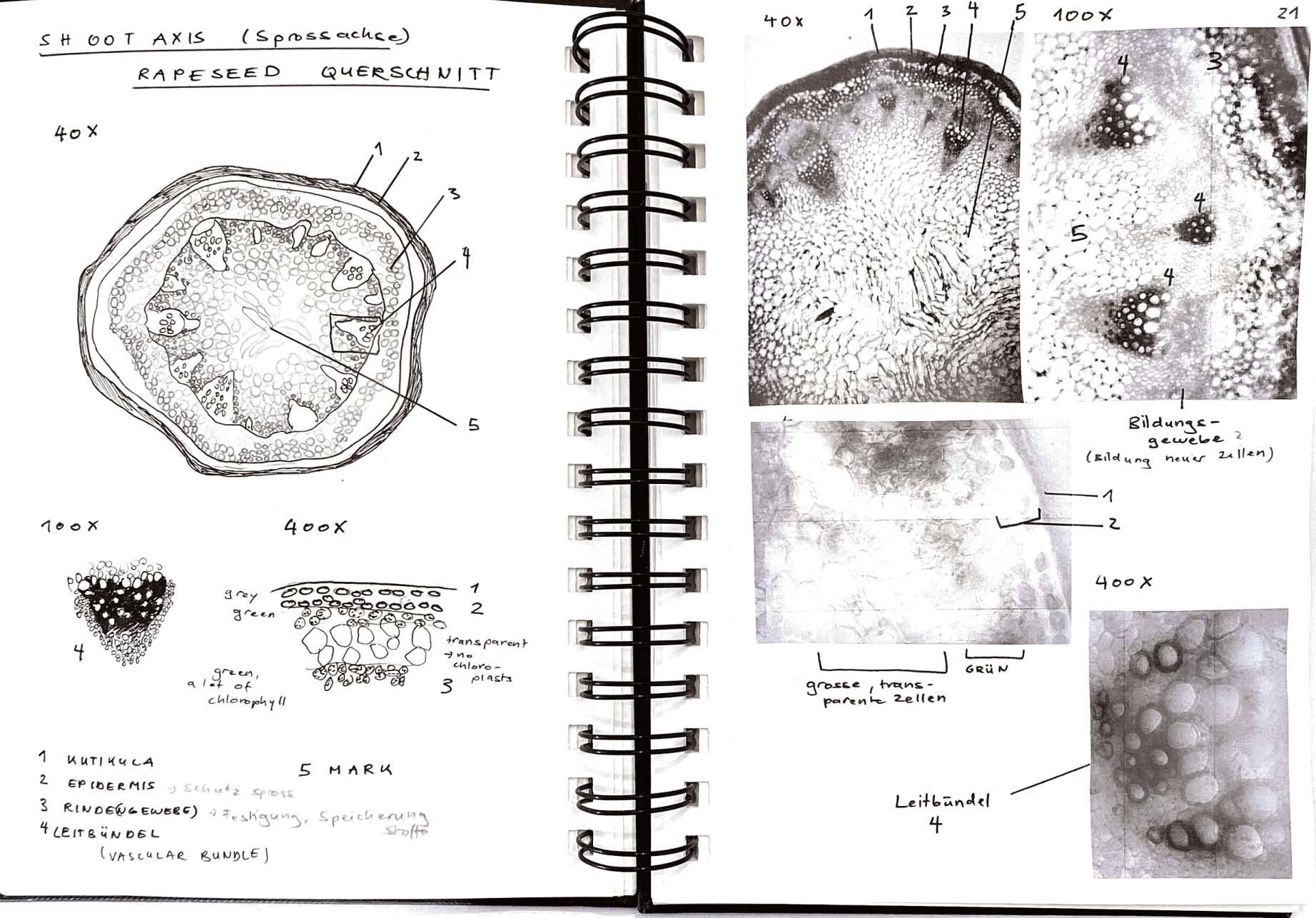
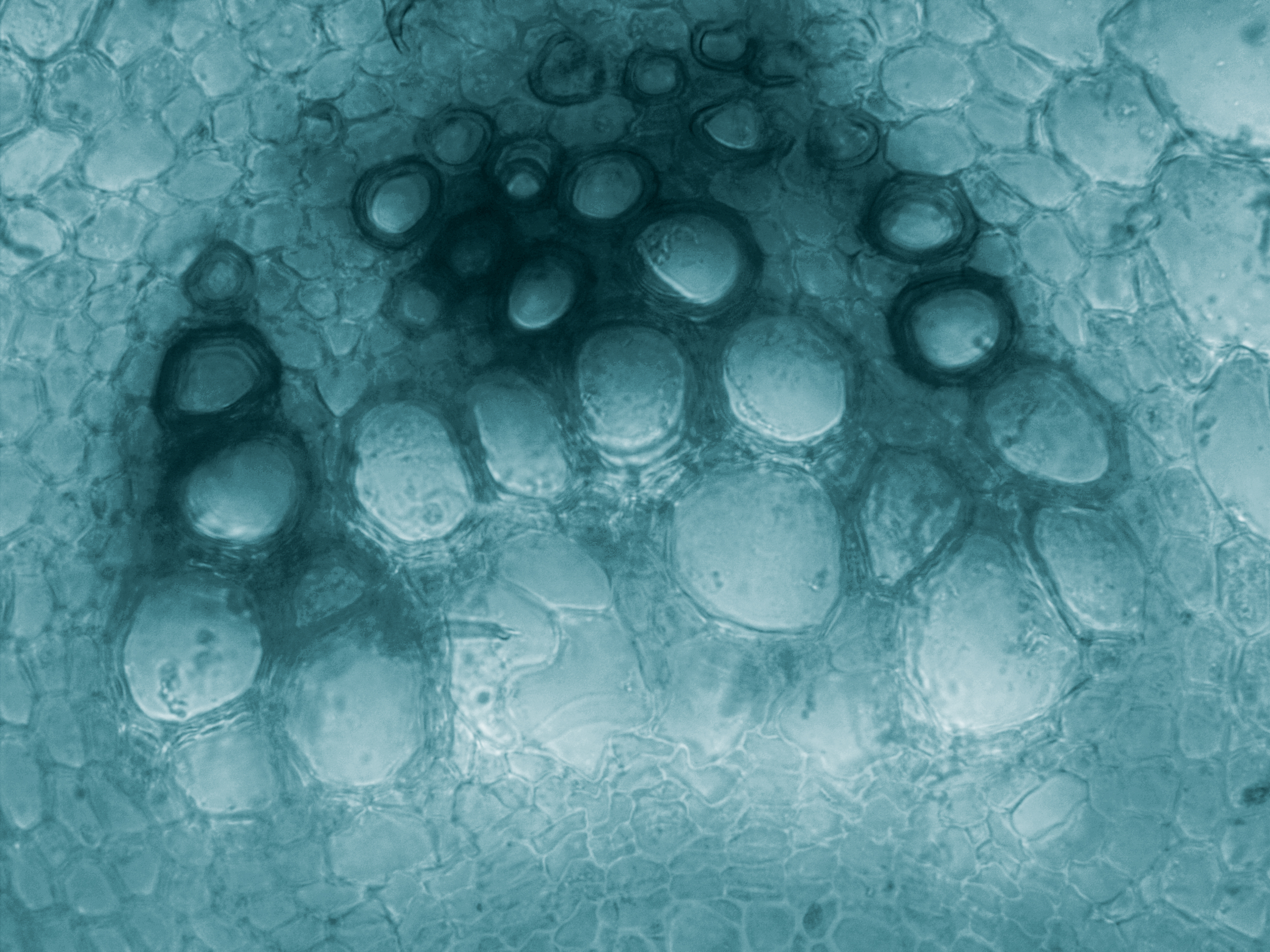
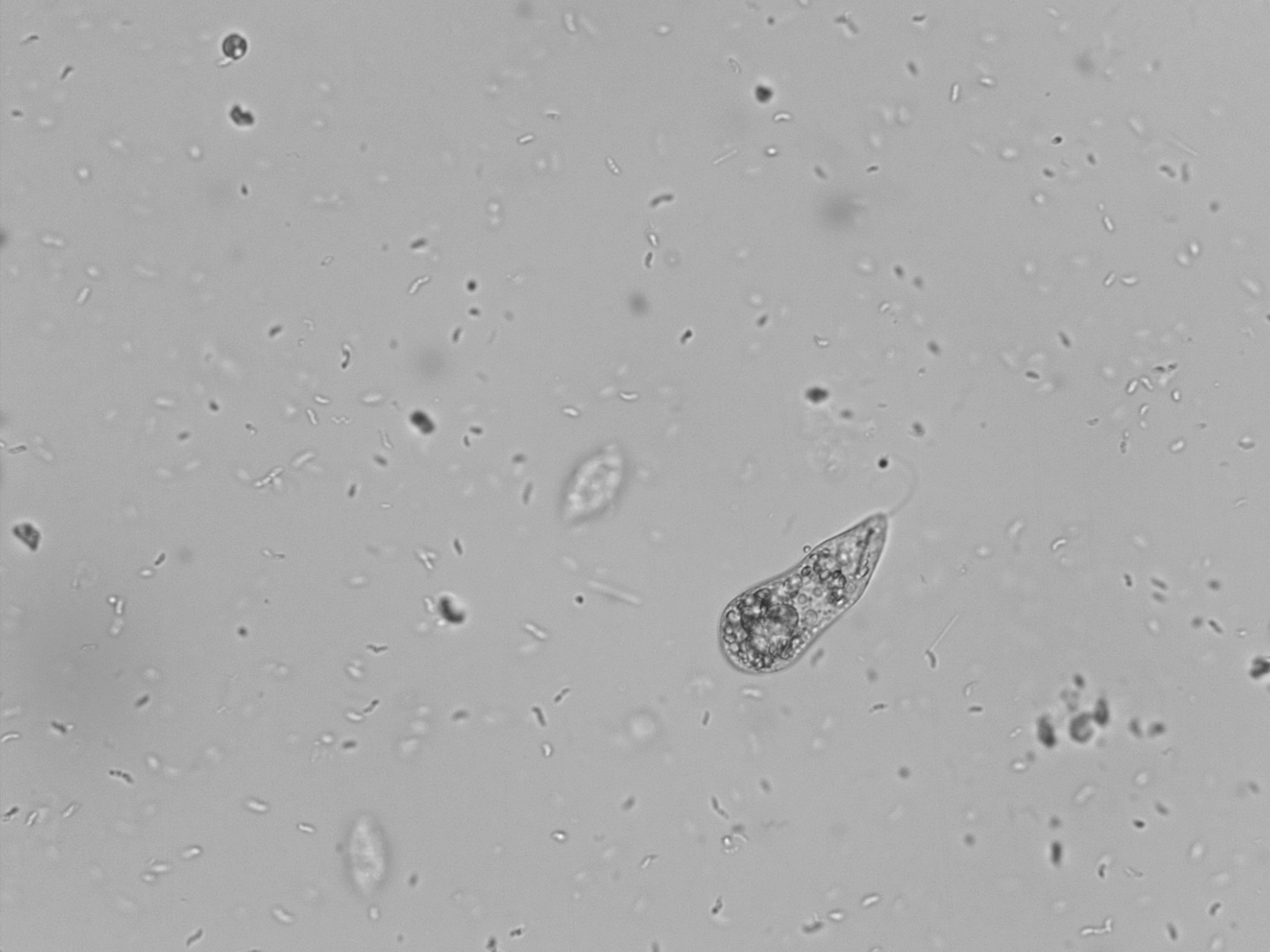
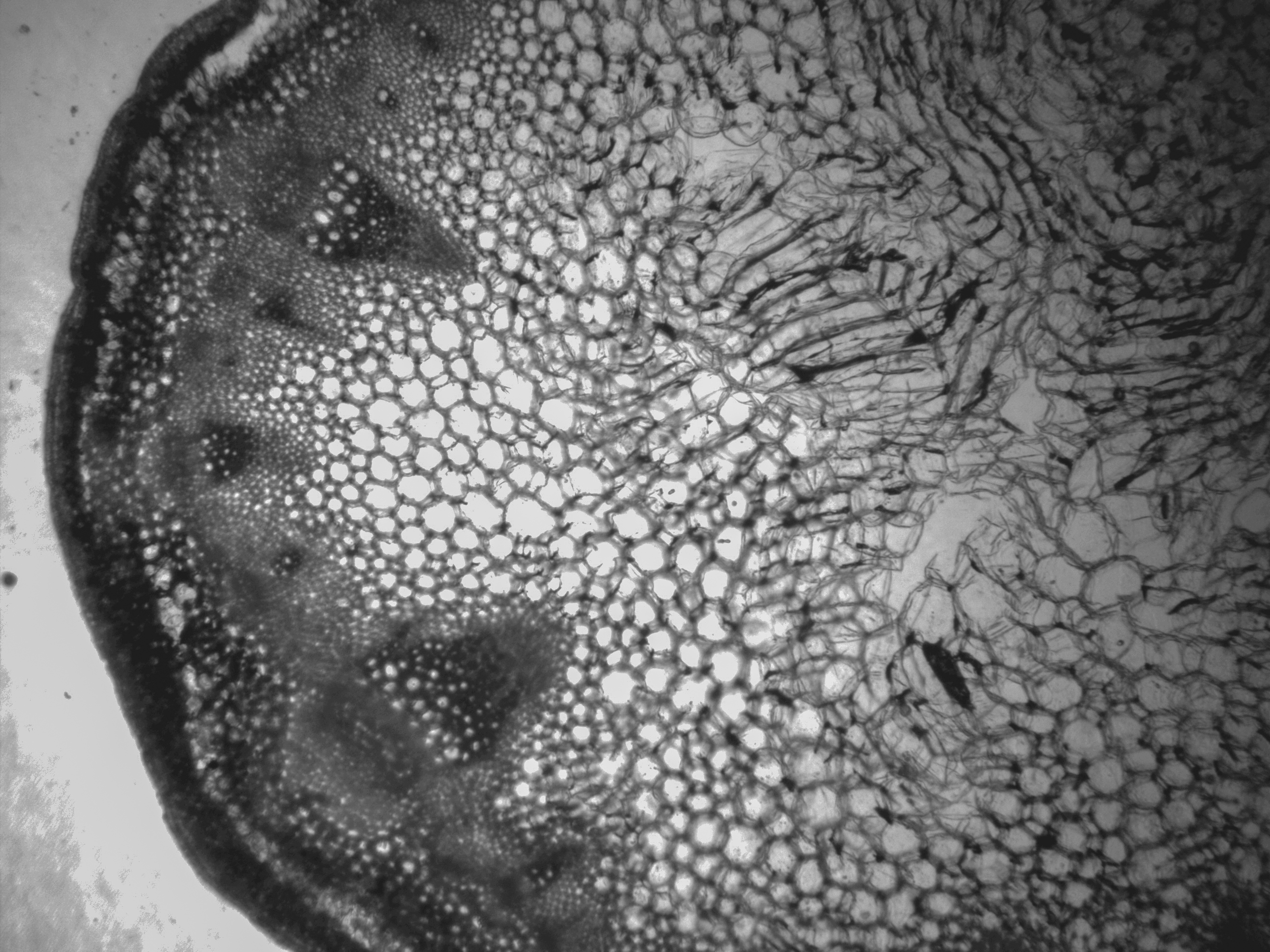
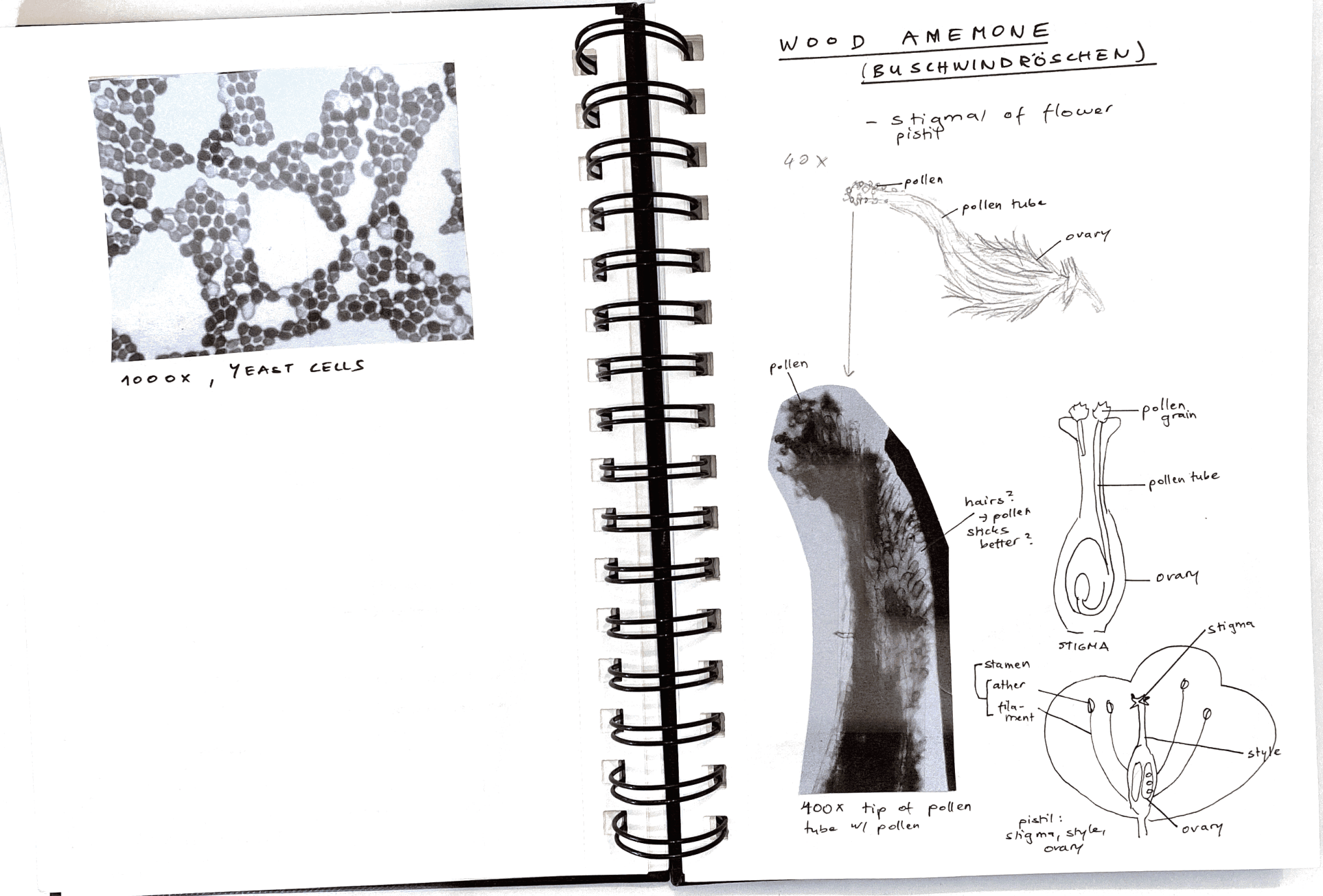
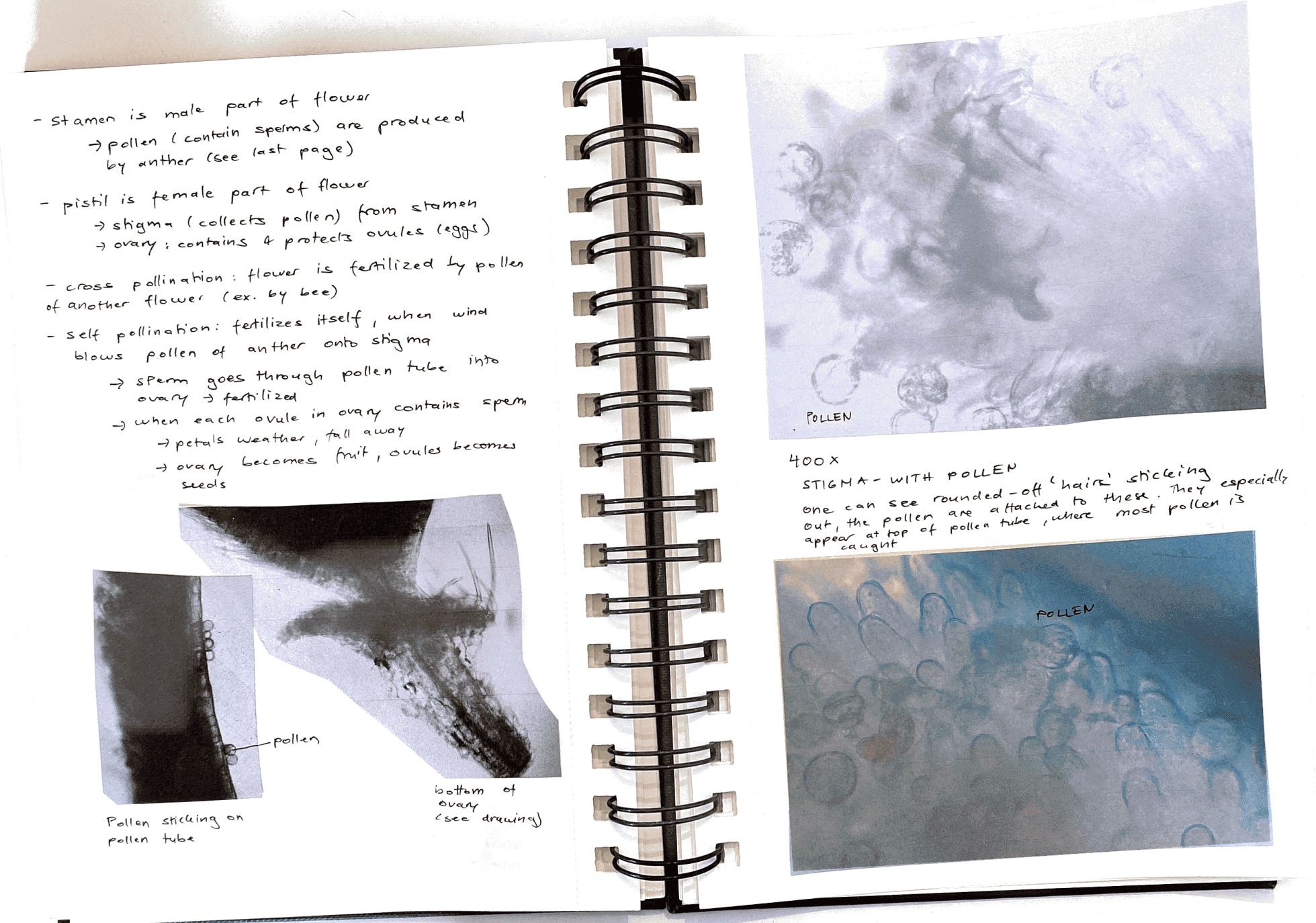
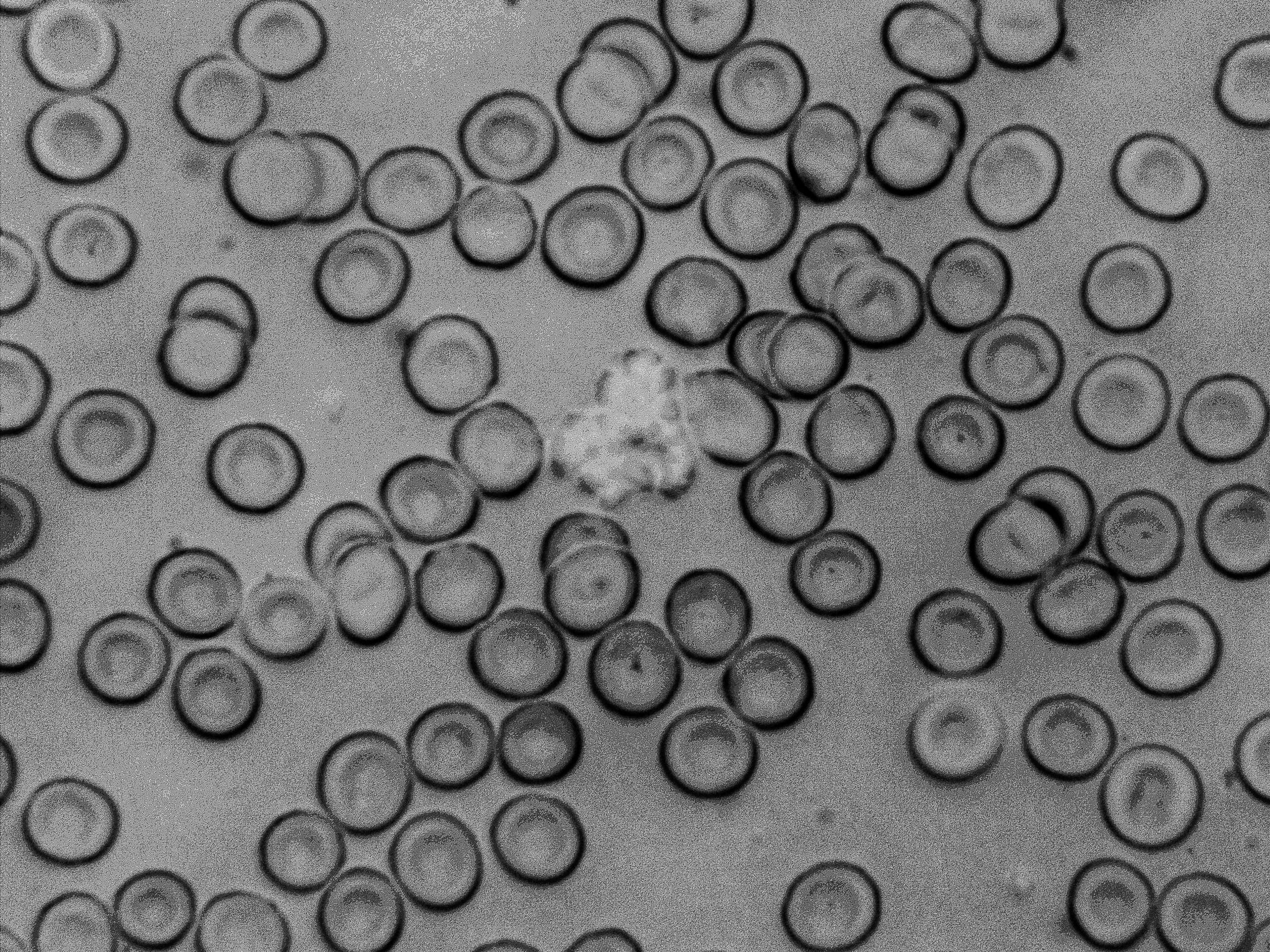
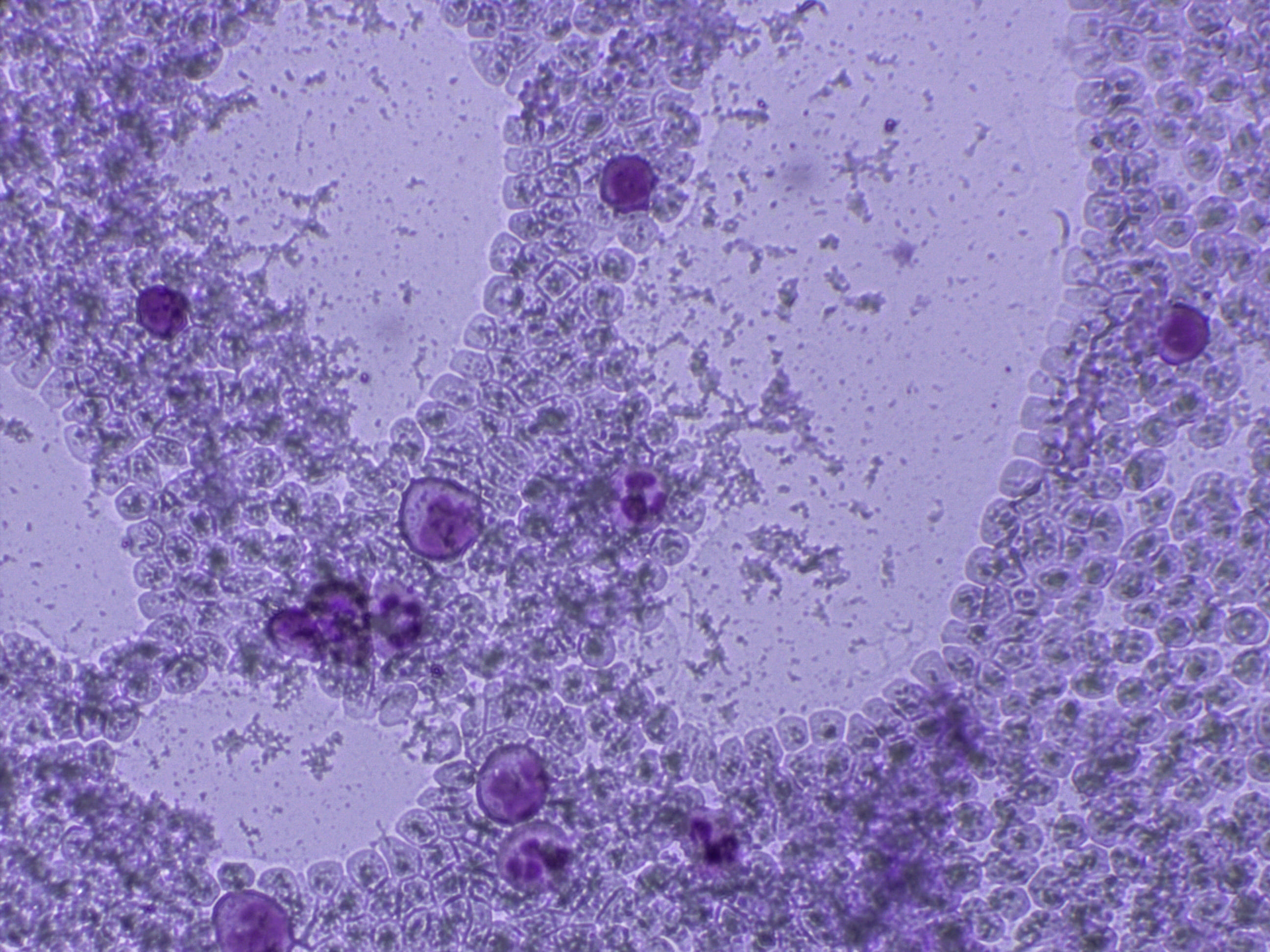
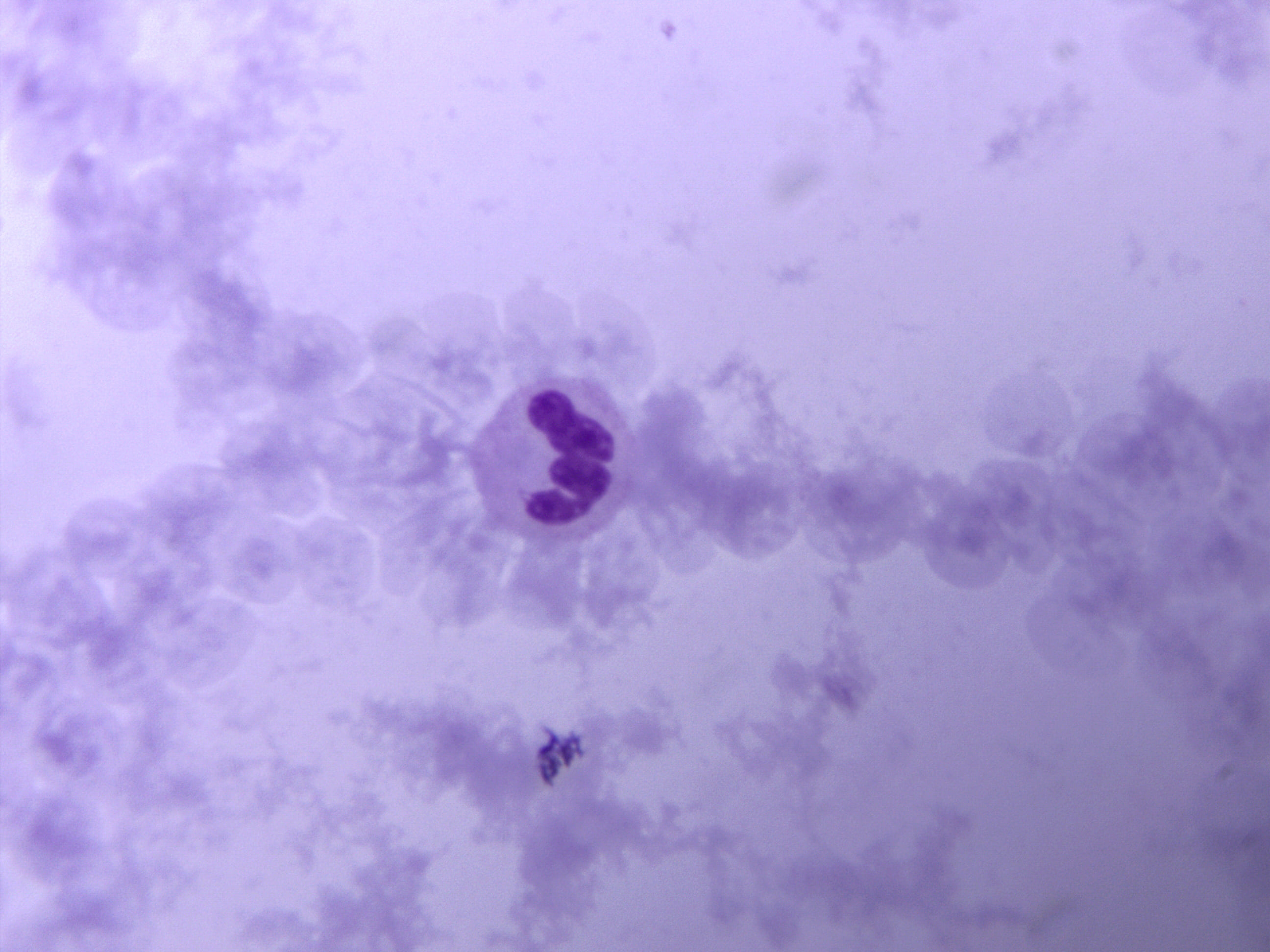
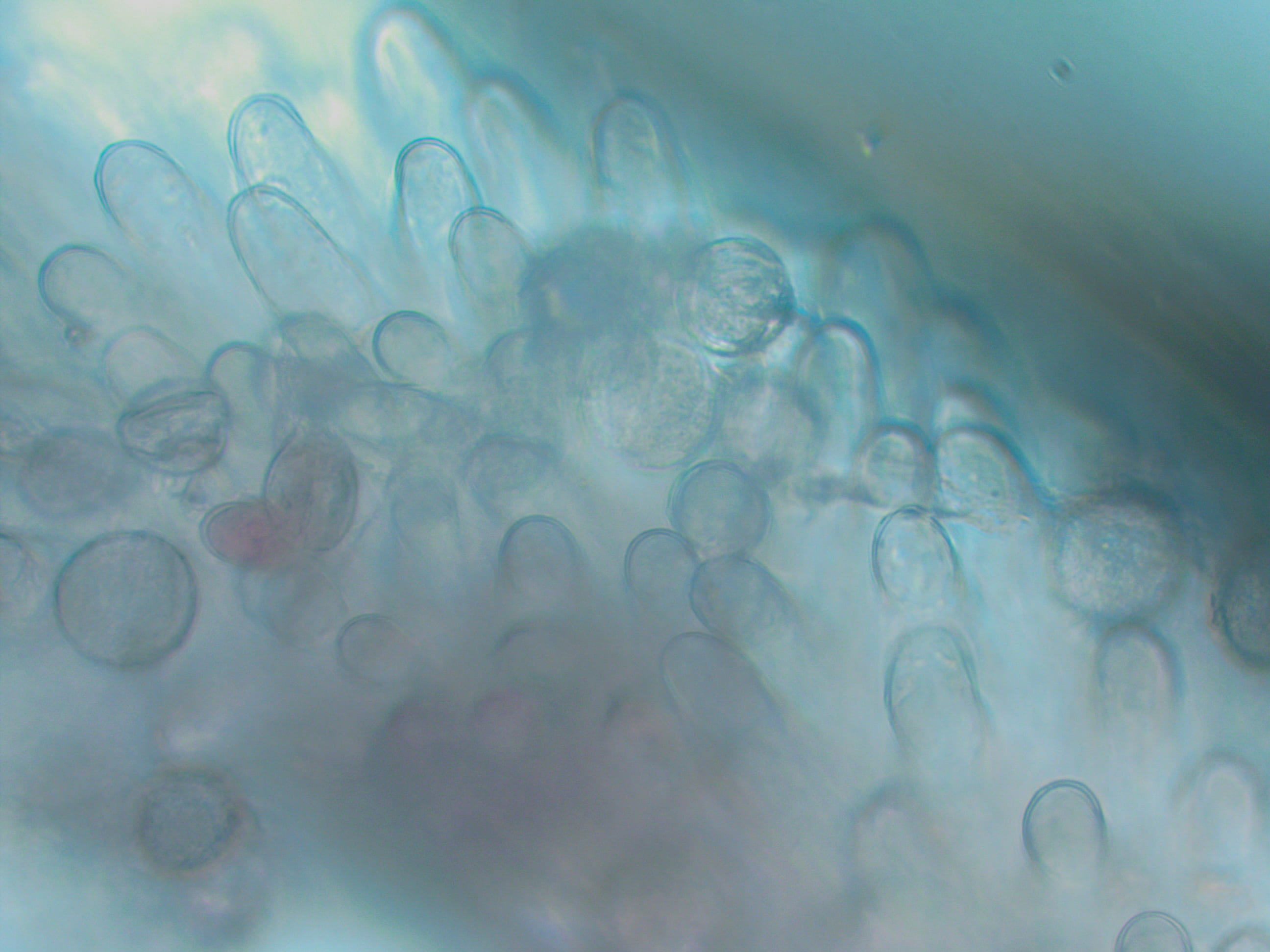
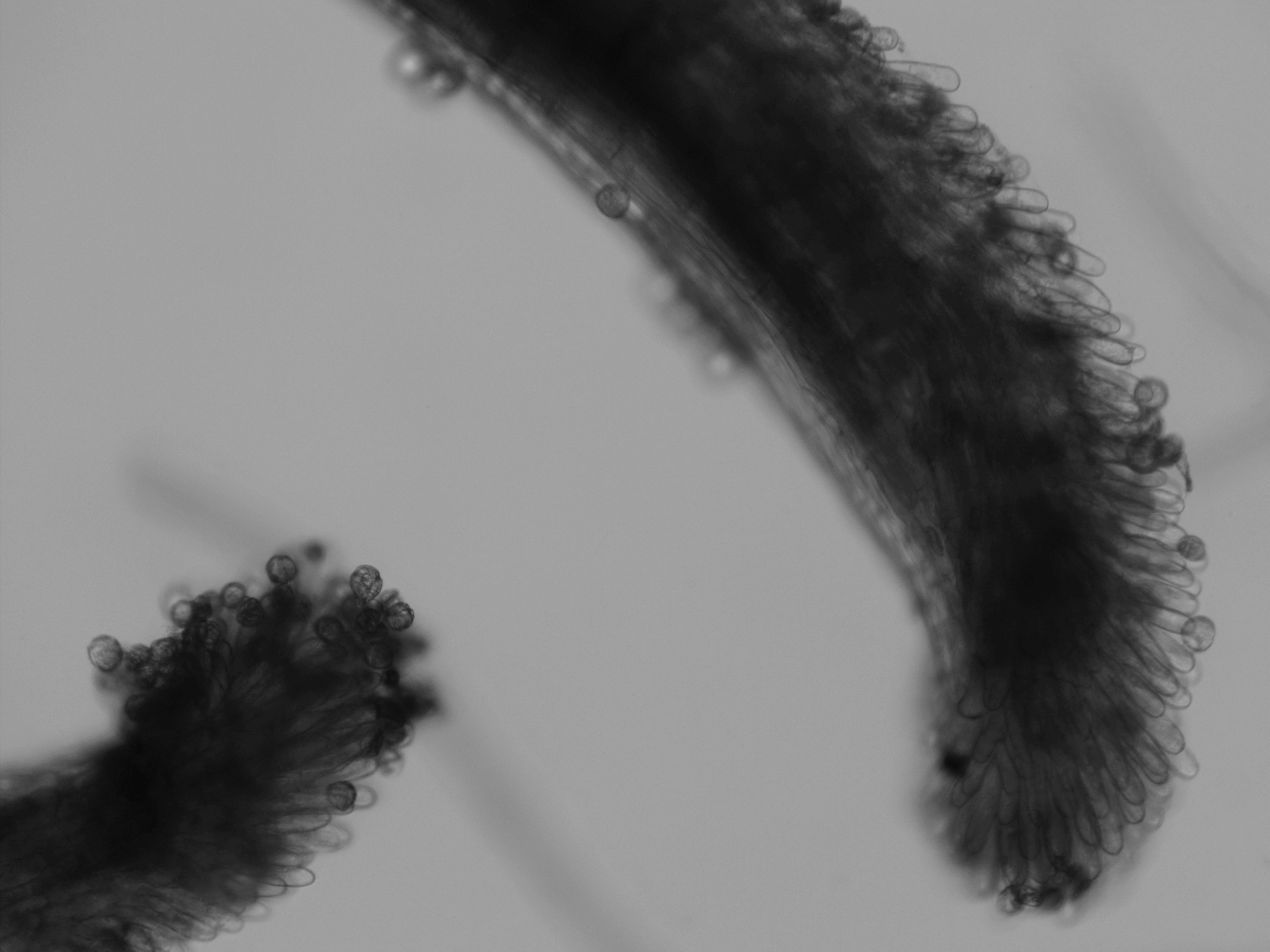
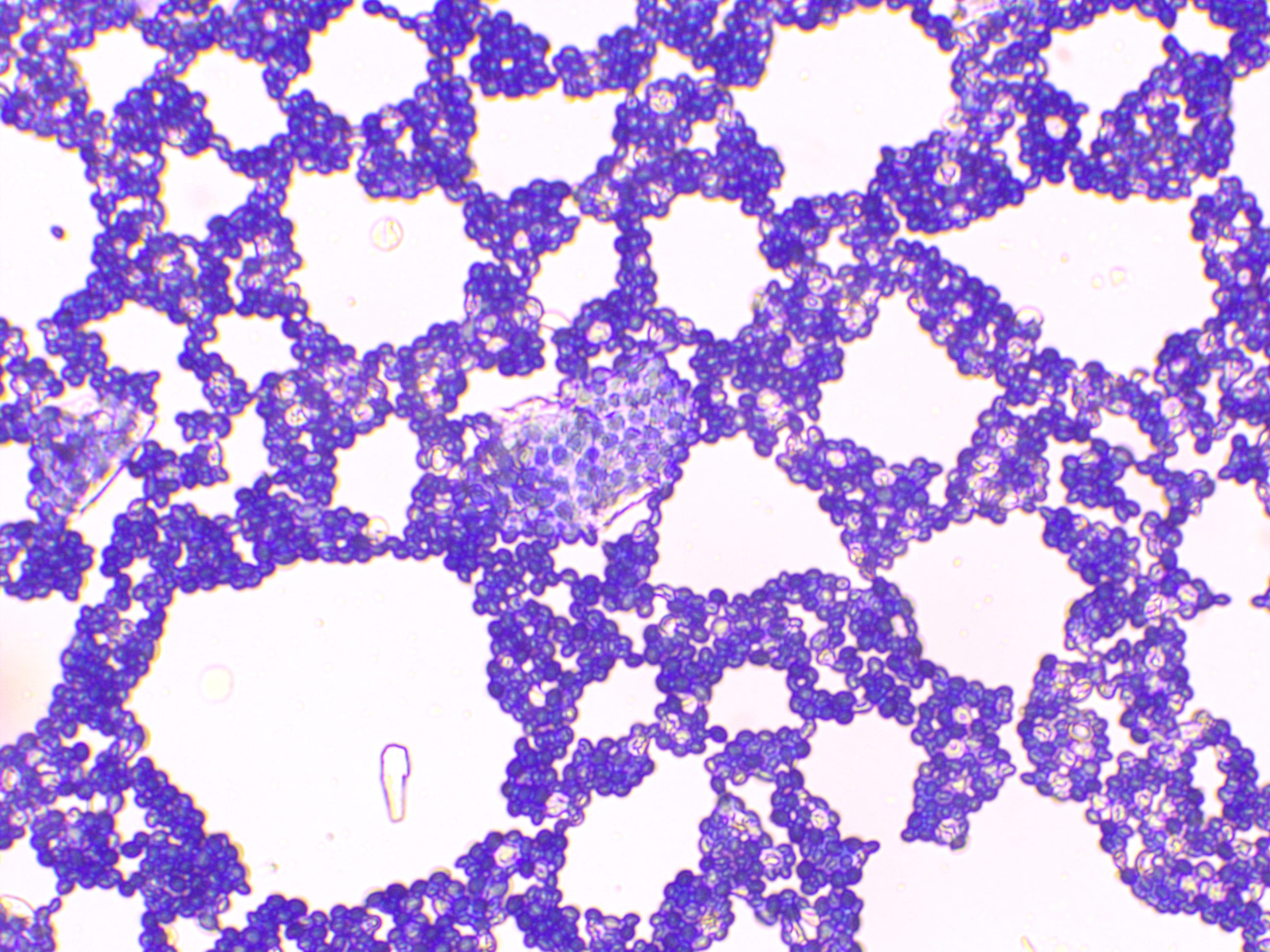
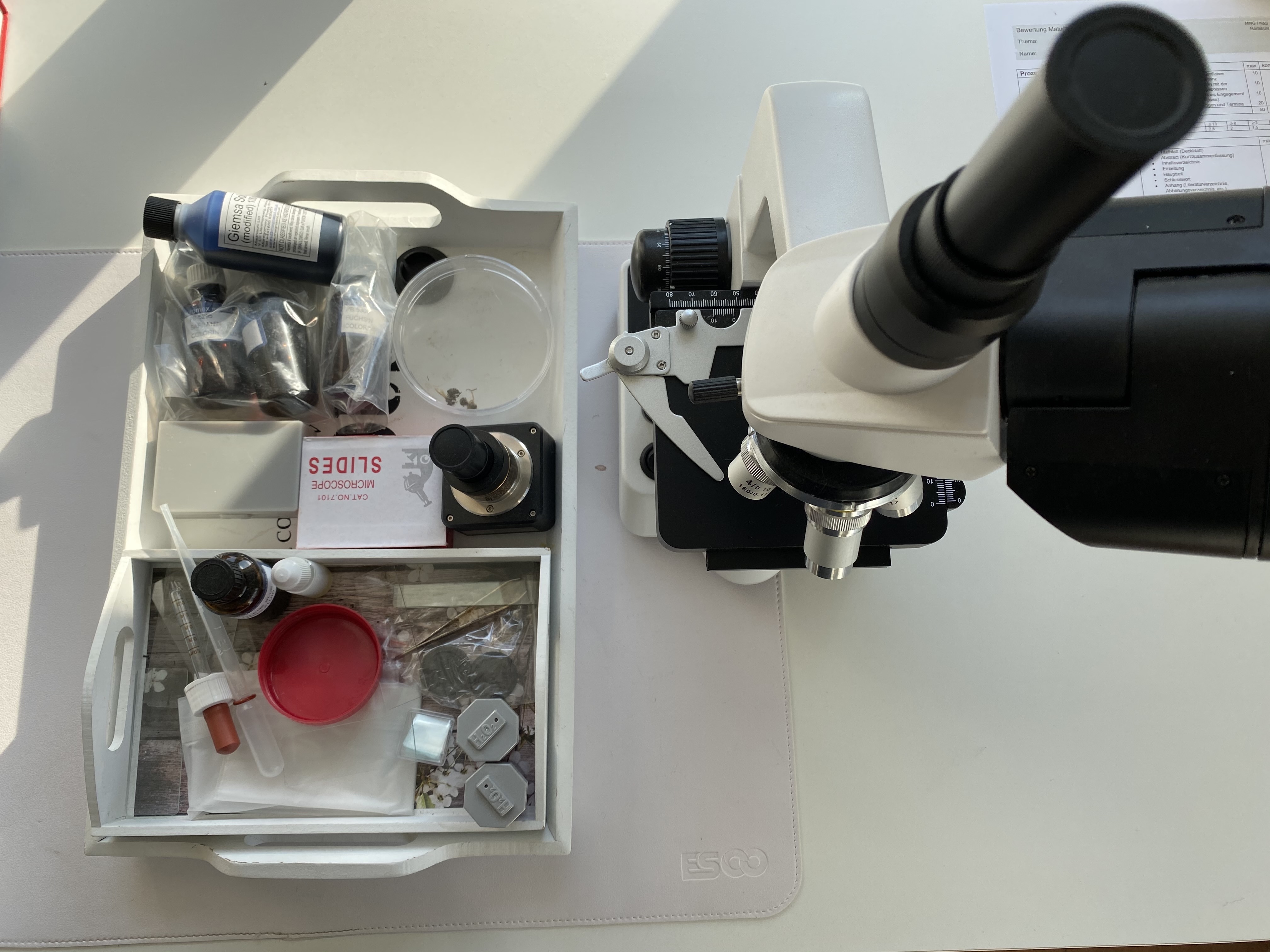
When COVID-19 broke out during my final year at high school in 2020, I got a simple light microscope and spent many days learning microscopy, collecting, preparing, dying samples and making notes and sketches of what I learned. Here are some of my favourite images and notes I took back then.
To this day, the wonder and excitement gained by collecting bits and pieces on my forest walks, to look at through the microscope has stuck with me. It informs much of my thinking, reminds me of the wonder of the world (including all we cannot see with our bare eyes) and creative work.


